
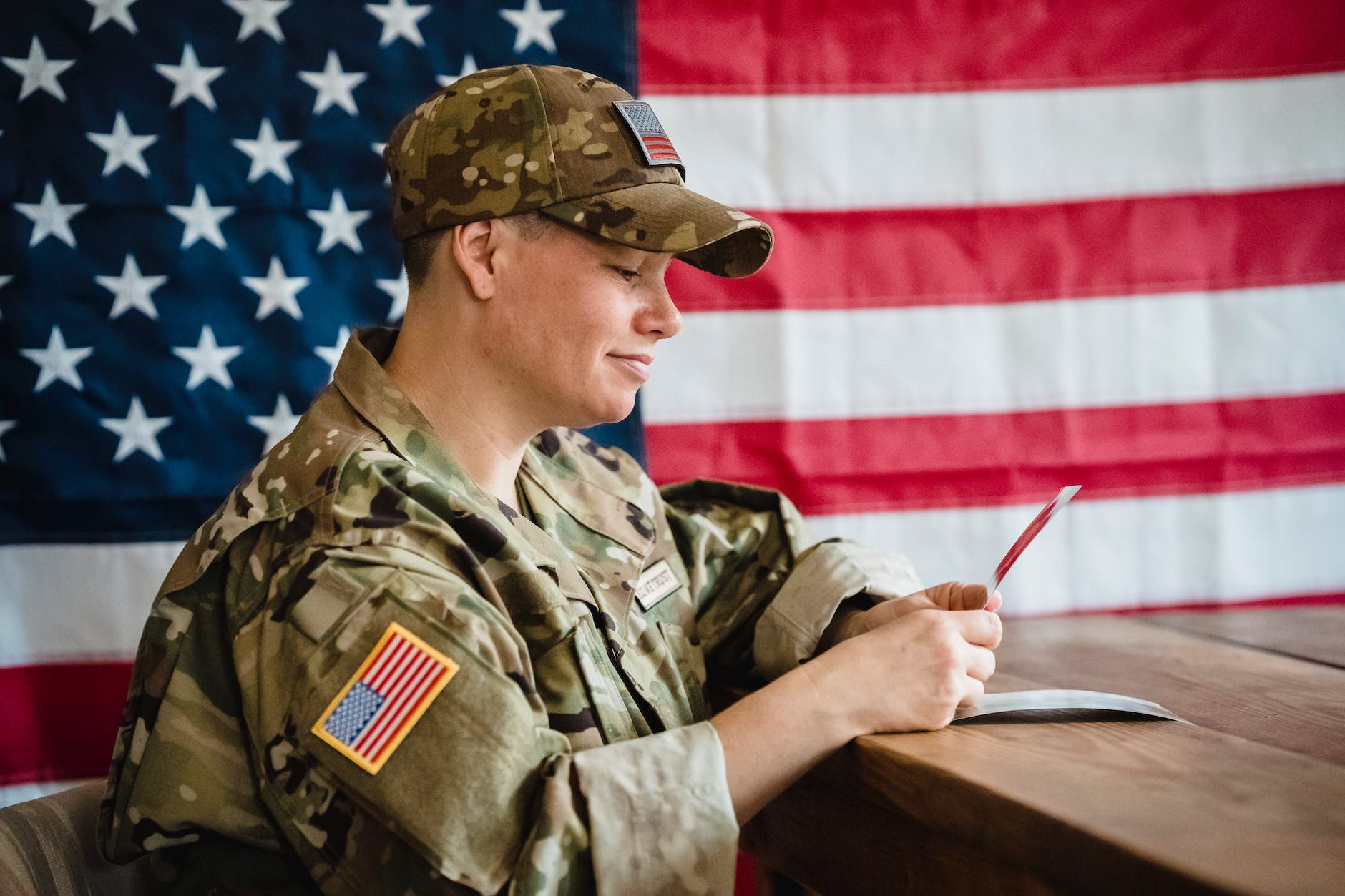
Military service often brings unique challenges that can impact the emotional well-being of military personnel and their families. Frequent deployments, relocations, and the demands of the military lifestyle can strain family relationships and create emotional difficulties. In this article, we will explore the emotional problems that military personnel and their families may face and discuss how coaching and guidance can help them find a balance and strengthen their familial bonds.
The Role of Coaching in Supporting Military Families:
Coaching plays a vital role in providing guidance, support, and tools for military families to navigate their emotional challenges effectively. By working with a coach, military personnel and their families can gain insights into their emotions, develop coping strategies, and enhance their communication skills. Coaches provide a safe and non-judgmental space for individuals to explore their feelings, establish goals, and create actionable plans to improve their emotional well-being.
Effective Communication and Conflict Resolution:
One of the key areas where coaching can make a significant difference is in improving communication and conflict resolution within military families. Effective communication is vital for expressing emotions, understanding each other’s needs, and resolving conflicts peacefully. Coaches can teach active listening techniques, assertive communication, and provide guidance on managing conflicts constructively, which ultimately strengthens family relationships.
Coping Strategies for Stress and Anxiety:
Military life can be stressful, and coaching can help military personnel and their families develop effective coping strategies to manage stress and anxiety. Coaches can introduce relaxation techniques, mindfulness practices, and stress management tools tailored to the unique challenges faced by military families. These strategies empower individuals to take control of their emotional well-being and find resilience in the face of adversity.
Maintaining Work-Life Balance:
Striking a balance between military obligations and family life is crucial for emotional well-being. Coaching can assist military personnel and their families in creating strategies to manage their time effectively, prioritize family needs, and establish boundaries between work and home life. By finding a healthy balance, individuals can reduce stress and foster a more harmonious and fulfilling family dynamic.
Supporting Transitions and Reintegrations:
Frequent deployments and relocations can disrupt family life and create emotional challenges during transitions and reintegrations. Coaches can provide guidance and support during these periods, helping military personnel and their families navigate the emotional ups and downs of reunions, adjustments, and establishing new routines. Coaches can also assist in building resilience and fostering a positive mindset throughout the transition process.
Emotional problems within military families are a reality that deserves attention and support. Coaching offers valuable guidance and tools to help military personnel and their loved ones navigate the unique emotional challenges they face. Through effective communication, coping strategies, work-life balance, and support during transitions, coaching empowers military families to have it all – a thriving military career and strong, connected relationships. Let coaching be the compass that guides military families toward emotional well-being, resilience, and a fulfilling life together.